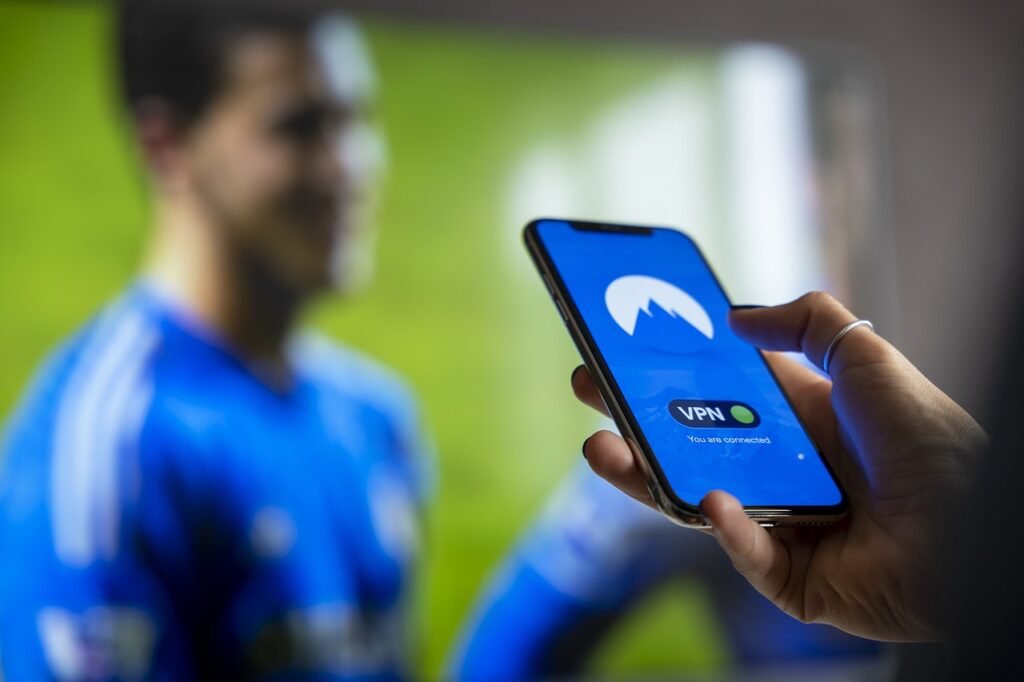

In 2024, more than 2.3 billion people worldwide use a sports app at least once a week, according to a recent industry report. That staggering figure highlights how deeply mobile technology has woven itself into the fabric of both casual fans and serious athletes. The rise isn’t a fleeting fad; it reflects a fundamental shift in how people consume scores, train, and engage with their favorite teams. This article unpacks the most influential sports apps on the market, explains why they matter, and projects where the ecosystem is headed. Whether the reader is a fitness enthusiast, a data‑driven coach, or a developer seeking inspiration, the insights here translate directly into actionable knowledge.
📝 What You'll Learn
A Closer Look at Sports Apps
Sports apps encompass a broad spectrum of functionalities, ranging from live score updates to personalized training plans. At their core, they serve as digital hubs where users can track performance, consume content, and interact with communities. The most successful examples blend real‑time data, user‑generated content, and AI‑driven personalization to keep users coming back day after day.
When evaluating any sports app, three pillars usually emerge: data accuracy, user engagement, and integration capability. Data accuracy ensures that scores, statistics, and biometric readings are trustworthy. User engagement is driven by intuitive design, gamification, and social features that make the experience sticky. Integration capability refers to how well the app works with wearables, third‑party platforms, and emerging technologies such as AR/VR.
| App | Primary Focus | Key Feature | Platform |
|---|---|---|---|
| Strava | Running & Cycling | Segment competition | iOS, Android, Web |
| ESPN | Live scores & news | Personalized watchlists | iOS, Android, Web |
| Nike Training Club | Workouts | AI‑guided plans | iOS, Android |
| FanDuel | Fantasy & betting | Live odds integration | iOS, Android, Web |
Major Sports Apps Developments
1. Real‑Time Biometric Integration
Here’s the key thing to understand: modern sports apps no longer rely solely on manual entry. They now pull heart‑rate, cadence, and power data directly from wearables. understand modern sports
This development allows athletes to see performance metrics overlaid on maps, compare sessions instantly, and receive automated coaching cues. The result is a feedback loop that shortens the time between effort and insight.
- Why It Works:
- Immediate data reduces recall bias.
- Visual overlays make complex metrics intuitive.
- Automation frees mental bandwidth for focus.
2. AI‑Powered Content Personalization
Most people miss this: AI can sift through millions of articles, videos, and stats to serve exactly what a user wants at the moment they want it.
By analyzing past behavior, location, and even weather, the app can suggest a pre‑game warm‑up routine, a post‑match analysis, or a highlight reel that matches the user’s favorite teams.
- Why It Works:
- Relevance drives higher dwell time.
- Dynamic recommendations adapt to changing interests.
- Machine learning improves accuracy over time.
3. Social Competition and Gamification
Competitive streaks, leaderboards, and virtual trophies turn solitary workouts into community events. When users see friends’ progress, motivation spikes.
Leading apps embed challenges that sync across devices, allowing a group to compete in a virtual marathon while each runs on a different trail.
- Why It Works:
- Social proof fuels intrinsic motivation.
- Gamified milestones create habit loops.
- Friendly rivalry encourages consistent use.
4. Integrated Live Streaming and In‑App Betting
Live streaming inside a sports app eliminates the need to switch between platforms. When combined with real‑time betting, it creates a seamless entertainment experience.
Regulatory compliance and responsible gambling tools are built in, ensuring that the excitement stays within safe bounds.
- Why It Works:
- One‑stop convenience reduces friction.
- Immediate odds react to live events, increasing engagement.
- Embedded safeguards protect user trust.
5. Augmented Reality (AR) Enhancements
AR overlays can bring stadium statistics onto a user’s phone screen, or guide a runner through a virtual course in a park.
These immersive features deepen the sense of presence, making training feel more like a game and less like a chore.
- Why It Works:
- Visual immersion captures attention.
- Contextual data adds practical value.
- Interactive elements boost retention.
Real-World Benefits
✔ Enhanced Performance Tracking
Users can monitor improvements in speed, endurance, and technique with granular data, allowing precise adjustments to training plans.
✔ Time‑Saving Convenience
All relevant information—scores, stats, training logs—resides in a single interface, eliminating the need to juggle multiple apps or spreadsheets.
✔ Community Building
Forums, group challenges, and shared leaderboards foster a sense of belonging, which research shows improves long‑term adherence to fitness goals.
✔ Data‑Driven Decision Making
Coaches and athletes can base strategy on objective metrics rather than gut feeling, leading to smarter game‑day choices.
✔ Revenue Opportunities for Creators
Content creators can monetize tutorials, live streams, and premium analytics through in‑app purchases or subscription models.
✔ Safety and Injury Prevention
Real‑time alerts for abnormal heart rates or fatigue levels help users avoid overexertion and reduce injury risk.
Looking Ahead
- In the next five years, biometric sensors will become fully implantable, allowing apps to access data without any external device.
- AI coaches will evolve from recommending workouts to generating adaptive, sport‑specific curricula that react to each session’s outcomes.
- Blockchain will underpin transparent fantasy sports and betting ecosystems, guaranteeing fairness and immutable record‑keeping.
- AR stadium experiences will allow fans to view live player stats by pointing their phone at the field, merging physical attendance with digital insight.
- Cross‑sport ecosystems will emerge, letting users switch between running, cycling, swimming, and team sports within a single unified profile.
This will make continuous monitoring truly seamless, opening new possibilities for chronic condition management alongside performance tracking.
Such curricula will personalize periodization, ensuring optimal peak performance for competitive events.
Users will benefit from provable integrity, which could attract a broader, more trust‑focused audience.
This hybrid view will deepen engagement and create new advertising avenues.
Unified data models will provide holistic health insights, encouraging lifelong active lifestyles.
Additional Data Comparison
| Metric | Average Daily Sessions | Retention After 30 Days | Revenue per User (USD) |
|---|---|---|---|
| Strava | 2.8 | 68% | 12.5 |
| ESPN | 3.4 | 55% | 9.3 |
| Nike Training Club | 2.1 | 62% | 11.0 |
| FanDuel | 1.9 | 73% | 15.8 |
Final Thoughts
The rapid evolution of sports apps demonstrates that data, personalization, and community are now inseparable pillars of the modern athletic experience. By embracing these real examples, users gain clearer insight, stronger motivation, and safer pathways to achieving their goals. As technology continues to converge, the next generation of apps will deliver even more integrated, immersive, and intelligent experiences for anyone who loves sport.