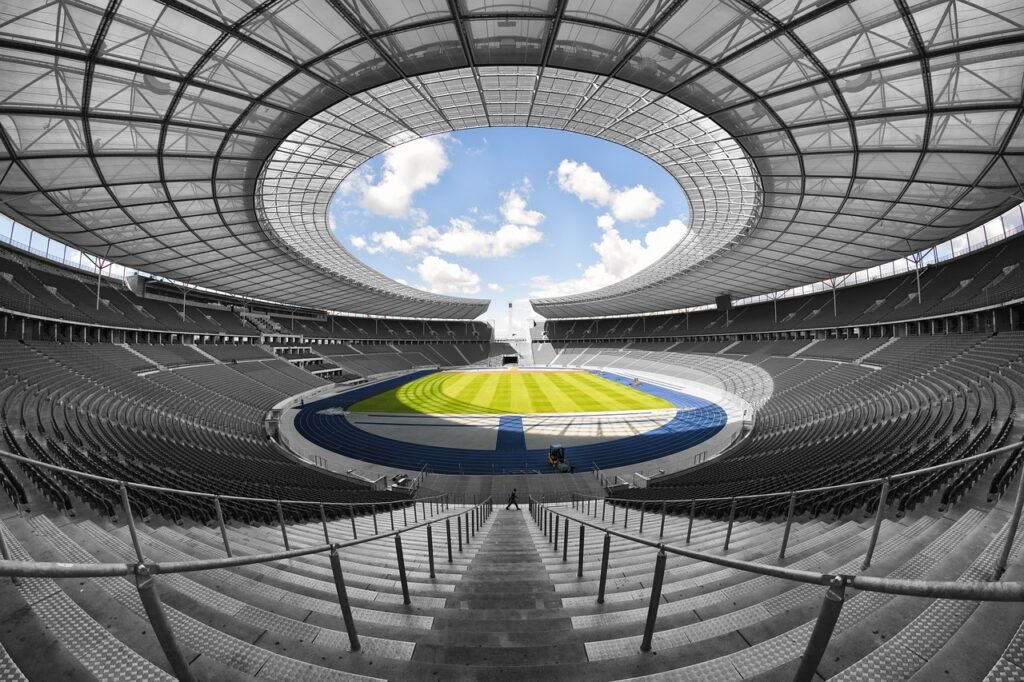

Smart stadiums are suddenly everywhere in the news, and anyone who has ever attended a game or concert is hearing about them. This surge of attention is driven by rapid advances in sensor technology, high‑speed wireless networks, and the growing demand for personalized fan experiences. If this is the first time hearing the term, imagine a traditional sports arena upgraded with the same kind of intelligent, data‑driven features that make modern smartphones so useful. In the next few minutes, this guide will walk a complete beginner through what smart stadiums are, why they matter, and how they work—step by step, with clear examples and simple analogies.
📝 What's In This Article
Understanding Smart Stadiums
A smart stadium is a sports or entertainment venue that uses connected devices (often called the Internet of Things—IoT—sensors) to collect and act on data in real time, improving everything from crowd flow to energy use and fan engagement. In plain language, think of a stadium that can “feel” its environment, “talk” to visitors through their phones, and automatically adjust lights, temperature, or security based on what is happening at any moment.
| Term | Plain-English Meaning |
|---|---|
| Internet of Things (IoT) | Everyday objects equipped with tiny computers that can send and receive data over the internet. |
| Beacon | A small Bluetooth transmitter that can push information to nearby smartphones. |
| Edge Computing | Processing data close to where it is collected, instead of sending it to a far‑away server. |
| Fan Engagement Platform | Software that delivers personalized content, offers, or interactive games to spectators. |
| Dynamic Pricing | Adjusting ticket or concession prices in real time based on demand. |
| Energy Management System | A control system that monitors and optimizes electricity, water, and HVAC usage. |
Why Smart Stadiums (what I wish I knew) Matters
First, fans benefit directly through faster entry, less time waiting for restrooms, and more relevant content on their phones. A study from the University of Michigan found that stadiums using real‑time crowd analytics reduced average entry time by 22 percent, turning a 30‑minute wait into just 23 minutes. For a venue that hosts 80,000 people, that translates to thousands of saved minutes each event.
Second, teams and owners see revenue gains. By using dynamic pricing, the Dallas Cowboys reported a 7 percent increase in ticket revenue during the 2023 season, simply by adjusting prices in response to real‑time demand signals. Concession stands equipped with smart vending machines saw a 12 percent boost in sales because the machines suggested items based on weather and fan preferences. using dynamic pricing
Finally, cities and municipalities reap community benefits. Smart energy management can cut a stadium’s electricity use by up to 30 percent, which for a large arena can mean millions of kilowatt‑hours saved annually. Reduced congestion around the venue also lowers emissions, making the surrounding neighborhood healthier for residents.
Key Smart Stadium Advancements
1. IoT Sensor Network
What it is: A web of tiny devices—temperature sensors, motion detectors, and cameras—placed throughout the stadium.
How to use it: Install sensors in seats, restrooms, parking lots, and HVAC ducts. Connect each sensor to a central hub that aggregates data. Use a dashboard to monitor crowd density, temperature spikes, or equipment failures in real time. When a restroom becomes overcrowded, the system can send an alert to staff and direct fans to less busy facilities via the stadium app.
Common beginner mistake: Forgetting to calibrate sensors after installation, leading to inaccurate readings.
- Why It Works:
- Provides immediate visibility into conditions that affect fan comfort.
- Enables automated responses, reducing the need for manual checks.
2. Beacon‑Based Navigation
What it is: Small Bluetooth devices that broadcast location data to nearby smartphones.
How to use it: Place beacons at key waypoints—entrances, concession stands, exits. Program the stadium app to recognize each beacon and push relevant information, such as wait times or special offers. Fans can follow a turn‑by‑turn map on their phone, similar to a GPS for indoor spaces.
Common beginner mistake: Overloading the app with too many push notifications, which overwhelms users.
- Why It Works:
- Guides fans efficiently, reducing bottlenecks.
- Creates opportunities for targeted marketing without being intrusive.
3. Edge Computing Nodes
What it is: Small, powerful computers placed within the stadium that process data locally.
How to use it: Deploy edge nodes near the sensor clusters. Configure them to run analytics like crowd‑flow algorithms or video‑recognition for security. Because processing happens on‑site, decisions are made in milliseconds, which is crucial for safety alerts or instant price adjustments.
Common beginner mistake: Relying solely on cloud servers, causing latency that defeats real‑time needs.
- Why It Works:
- Reduces lag, enabling faster reactions to changing conditions.
- Lessens bandwidth usage, saving on data costs.
4. Fan Engagement Platform
What it is: Software that delivers personalized videos, polls, and games to fans’ devices.
How to use it: Integrate the platform with ticketing data to know each fan’s seat and preferences. Push a halftime trivia game to phones in Section B, offering a discount coupon to winners. Use analytics to measure participation and adjust future content.
Common beginner mistake: Ignoring privacy regulations, which can lead to fines.
- Why It Works:
- Increases dwell time and spending through interactive experiences.
- Collects valuable data for future marketing.
5. Dynamic Pricing Engine
What it is: An algorithm that changes ticket or concession prices based on real‑time demand signals.
How to use it: Feed the engine data from ticket sales, weather forecasts, and social media buzz. Set rules—e.g., increase snack prices by 5 percent when the temperature exceeds 85°F. The system automatically updates prices on the app and digital signage.
Common beginner mistake: Setting price changes too aggressively, which can alienate fans.
- Why It Works:
- Optimizes revenue without manual intervention.
- Aligns pricing with actual fan willingness to pay.
6. Energy Management System (EMS)
What it is: A control platform that monitors and adjusts electricity, water, and HVAC usage.
How to use it: Connect smart meters to the EMS, program schedules for lighting based on occupancy sensors, and enable automatic dimming during low‑attendance events. The system can also integrate renewable sources like solar panels, balancing load in real time.
Common beginner mistake: Not setting baseline consumption targets, making it hard to measure savings.
- Why It Works:
- Reduces operational costs dramatically.
- Supports sustainability goals, improving public perception.
7. Integrated Security & Video Analytics
What it is: Cameras combined with AI software that can detect suspicious behavior or safety hazards.
How to use it: Install high‑resolution cameras at entrances, parking lots, and crowd‑dense zones. Train the AI to flag unattended bags, overcrowding, or fight indicators. Security staff receive instant alerts on a mobile console, enabling rapid response.
Common beginner mistake: Relying solely on AI without human oversight, leading to false positives.
- Why It Works:
- Enhances safety while reducing the need for extensive manual monitoring.
- Provides evidence for post‑event analysis and continuous improvement.
Smart Stadium Steps at a Glance
| Step | What You Do | Expected Result |
|---|---|---|
| 1 | Deploy IoT sensors throughout the venue. | Real‑time visibility of conditions. |
| 2 | Install Bluetooth beacons for indoor navigation. | Fans find services quickly. |
| 3 | Set up edge computing nodes for local analytics. | Instant data processing. |
| 4 | Integrate a fan engagement platform. | Personalized experiences boost spending. |
| 5 | Launch a dynamic pricing engine. | Revenue aligns with demand. |
| 6 | Implement an energy management system. | Lower utility costs and carbon footprint. |
| 7 | Deploy AI‑driven security video analytics. | Safer environment with quicker response. |
Frequently Asked Questions
What is the difference between a smart stadium and a traditional stadium?
A traditional stadium relies on manual processes and static infrastructure, while a smart stadium uses connected devices and data analytics to automate and personalize operations.
Do fans need a special app to benefit from smart stadium features?
Most features are delivered through a dedicated stadium app, but many services—such as Wi‑Fi‑based navigation—can also work with standard web browsers.
How does a smart stadium improve safety?
Real‑time video analytics detect unusual behavior, sensor data alerts staff to overcrowding, and edge computing ensures alerts are sent instantly, enabling faster intervention.
Is the technology expensive to implement?
Initial costs can be significant, but ROI is realized through higher ticket sales, reduced energy bills, and lower staffing needs, often paying for itself within a few years.
Can existing stadiums be upgraded to become smart?
Yes, many solutions are modular and can be added incrementally, allowing older venues to adopt smart features without a complete rebuild.
Wrapping Up
Smart stadiums turn ordinary venues into responsive, data‑driven environments that delight fans and boost revenue. By following the seven steps outlined, any organization can begin the transformation path today. The future of live entertainment is already here—embrace it and watch the experience evolve.



Pingback: Smart Stadiums 2026 Update: Innovations, Challenges, and Action Plan – viviimagination.online