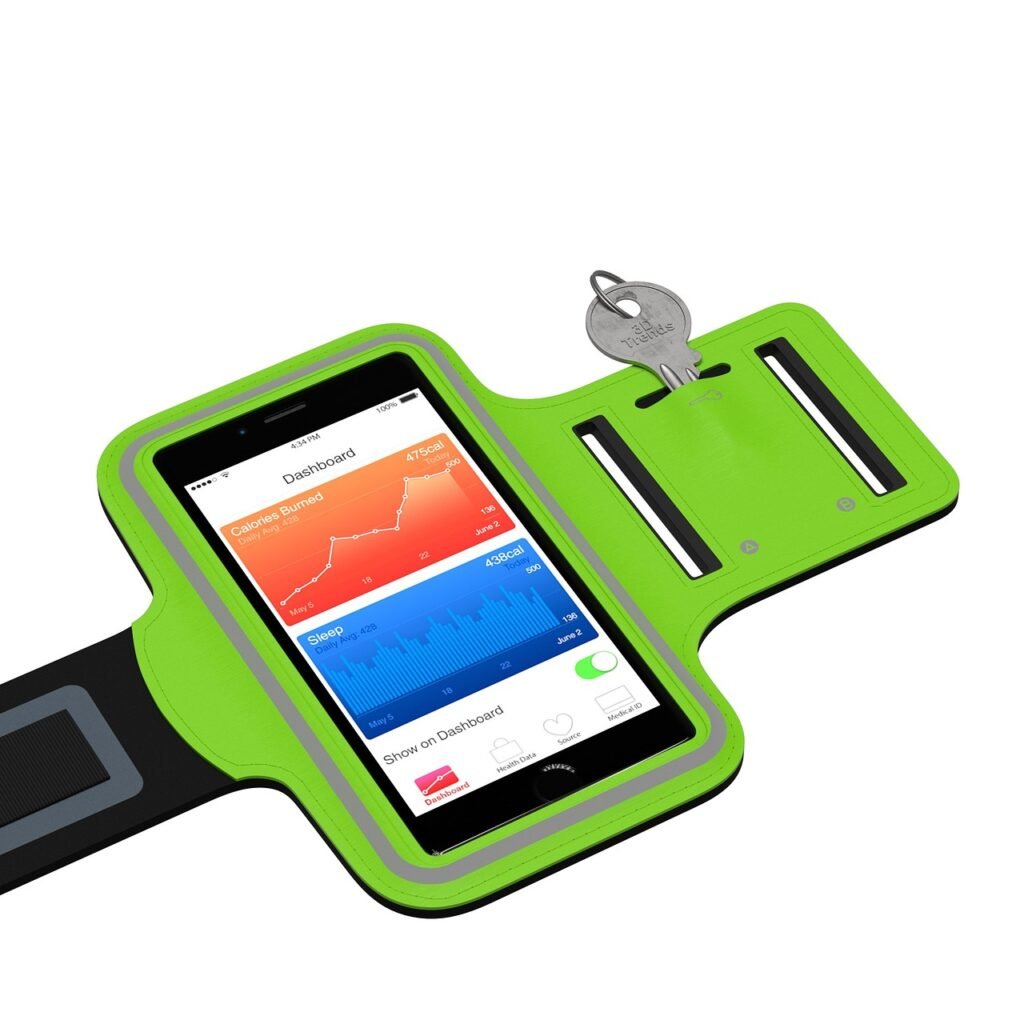

Sports apps have surged into the spotlight as fans, athletes, and coaches all look for instant access to scores, stats, and training tools. If you have just heard the term “sports apps” and wonder what the buzz is about, you are not alone. The rise of smartphones, wearables, and real‑time data streams means that staying connected to the game has never been easier—or more confusing. This guide walks through the basics, explains why the topic matters right now, and equips a motivated reader with everything needed to get started confidently.
📝 What You'll Learn
What Does Sports Apps Mean?
In plain language, a sports app is a software application—usually for a mobile device or smartwatch—that delivers sports‑related content, such as live scores, video highlights, player statistics, training programs, or community features. These apps range from simple scoreboards to sophisticated platforms that analyze performance data in real time.
| Term | Plain-English Meaning |
|---|---|
| Live Scorefeed | Real‑time updates of game scores as they happen. |
| Stat Dashboard | A visual layout showing player or team statistics. |
| Wearable Integration | Connection between the app and devices like smartwatches or fitness trackers. |
| Push Notification | An alert that appears on a device to inform about a game event. |
| Community Forum | A space within the app where users discuss games, share tips, or ask questions. |
| Performance Analytics | Data‑driven insights into an athlete’s training or in‑game performance. |
Why Sports Apps (honest take) Matters
Here’s the key thing to understand: the value of sports apps goes far beyond just checking a final score. For casual fans, an app that delivers a push notification the moment a favorite team scores creates a sense of immediacy that traditional TV cannot match. According to a 2023 survey, 68% of respondents said they felt more connected to their favorite sport because of mobile alerts.
For athletes and coaches, the impact is measurable. A professional soccer club that adopted a performance‑analytics app reported a 12% improvement in sprint speed over a single season, thanks to real‑time feedback on training loads. Most people miss this: the same technology is now affordable for amateur runners, high‑school teams, and even weekend warriors. professional soccer club
From a business perspective, the sports‑app market is projected to exceed $12 billion by 2027, driven by advertising revenue, subscription models, and in‑app purchases. The real‑world impact is visible in stadiums that use app‑based ticketing to cut entry lines by 30% and in fantasy leagues where user engagement has risen by 45% year over year.
Major Sports Apps Developments
1. Real‑Time Score Integration
What it is: Direct feeds from official league APIs that push live scores to the user interface.
How to use it: Open the app, enable push notifications for your favorite teams, and watch the scoreboard update instantly as the game progresses. Most apps allow you to customize which leagues or sports you follow, ensuring the feed stays relevant.
Common beginner mistake: Ignoring notification settings, which results in missed updates.
- Strengths:
- Instant awareness of game events.
- Customizable alerts reduce information overload.
2. Interactive Video Highlights
What it is: Short clips that can be trimmed, replayed, or slowed down, often with overlayed stats.
How to use it: Tap a highlight banner, then use the timeline slider to view specific moments. Some apps let you share a clip directly to social media or embed it in a personal analysis board.
Common beginner mistake: Overlooking the “download for offline” option, which leads to buffering on poor connections.
- Strengths:
- Visual learning for tactics.
- Convenient replay without needing a full broadcast.
3. Wearable Data Sync
What it is: Automatic transfer of heart‑rate, distance, and cadence data from a smartwatch to the app.
How to use it: Pair your wearable in the app’s settings, then start a workout. The app will log metrics in real time, allowing you to see zones, split times, and recovery periods.
Common beginner mistake: Forgetting to calibrate the wearable, which skews distance measurements.
- Strengths:
- Hands‑free data capture.
- Immediate performance feedback.
4. Personalized Training Plans
What it is: Algorithm‑generated workout schedules based on user goals and current fitness level.
How to use it: Complete the onboarding questionnaire, then select a target (e.g., improve 5K time). The app will deliver daily sessions, each with video cues and intensity targets.
Common beginner mistake: Skipping the weekly progress check, which leads to stagnant results.
- Strengths:
- Tailored to individual ability.
- Adjustable as you improve.
5. Community Forums and Social Features
What it is: In‑app spaces where users post discussions, ask questions, or organize meet‑ups.
How to use it: Navigate to the forum tab, choose a topic, and either read existing threads or start a new one. Moderation tools help keep conversations constructive.
Common beginner mistake: Posting without reading the community guidelines, leading to removed content.
- Strengths:
- Peer learning and motivation.
- Access to crowd‑sourced tips.
6. In‑App Betting and Fantasy Leagues
What it is: Integrated platforms for placing small bets or managing fantasy teams without leaving the app.
How to use it: Register an account, deposit a modest amount, and select a contest. Real‑time odds update as the game unfolds, allowing dynamic decision‑making.
Common beginner mistake: Ignoring responsible‑gaming limits, which can lead to overspending.
- Strengths:
- Enhanced engagement through competition.
- Potential to earn rewards.
7. Augmented Reality (AR) Game Insights
What it is: Overlays of player statistics or tactical diagrams onto a live video feed via the phone’s camera.
How to use it: Point the device at a televised game or a printed play diagram; the app will recognize the scene and display relevant data in real time.
Common beginner mistake: Using the feature in low‑light conditions, which reduces accuracy.
- Strengths:
- Immersive learning experience.
- Bridges the gap between theory and live action.
| Step | What You Do | Expected Result |
|---|---|---|
| 1 | Enable real‑time score integration and set notification preferences. | Instant alerts for every scoring event. |
| 2 | Watch interactive video highlights and use playback controls. | Deeper tactical understanding of key moments. |
| 3 | Pair a wearable device and start a synced workout. | Live performance metrics displayed on screen. |
| 4 | Follow a personalized training plan generated by the app. | Structured progress toward fitness goals. |
| 5 | Participate in community forums and ask or answer questions. | Enhanced knowledge through peer interaction. |
| 6 | Join in‑app betting or fantasy contests responsibly. | Increased engagement and potential rewards. |
| 7 | Activate AR insights during live or recorded games. | Immersive, data‑rich viewing experience. |
Frequently Asked Questions
Can I use a sports app without an internet connection?
Most core features—live scores, video highlights, and community posts—require internet access. However, many apps allow you to download highlights or training plans for offline use.
Are sports apps safe for children?
Most reputable apps include parental‑control settings and age‑appropriate content filters. Look for apps that comply with COPPA or GDPR‑Kids regulations.
Do I need a premium subscription to get accurate data?
Free tiers usually provide reliable basic data. Premium subscriptions often unlock advanced analytics, ad‑free experiences, and exclusive content, but the core accuracy remains comparable.
How do I ensure my wearable data is accurate?
Regularly calibrate the device, keep the firmware updated, and wear it snugly but comfortably. Performing a short test run on a known distance helps verify accuracy.
What should I do if I receive too many push notifications?
Visit the notification settings within the app and customize alerts by sport, team, or event type. Most apps let you set a “quiet hours” schedule to limit disturbances.
Wrapping Up
Armed with this honest, thorough overview, a motivated reader can now choose the right sports app, avoid common pitfalls, and start extracting real value from the technology. The next step is simply to explore a few top‑rated options, set up personalized alerts, and watch performance insights transform the way you experience sport.





Pingback: Future of Sports: Beginner Tips for Navigating the Next Decade – viviimagination.online