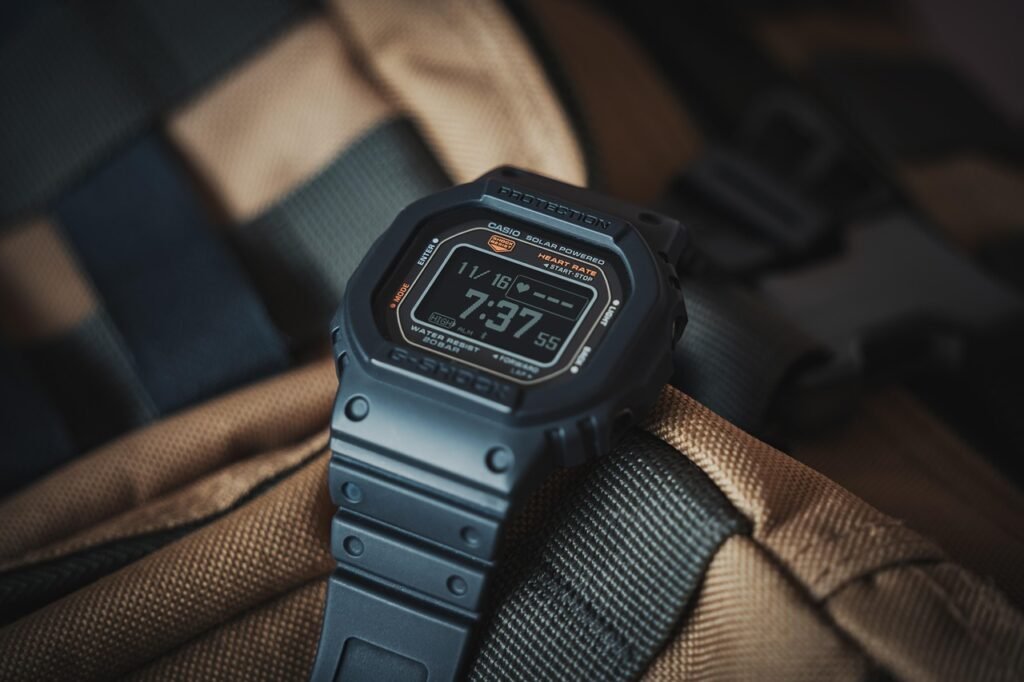

Problem: The Frustration of Inaccurate Data and Disconnected Devices
Emma, a semi‑professional triathlete from Austin, Texas, spent months training with three separate gadgets: a chest‑strap heart monitor, a GPS watch, and a smart shoe. When race day arrived, the data streams clashed, showing conflicting heart‑rate zones and mileage totals. She finished 12 minutes slower than expected and felt she had no reliable insight into why.
Many athletes and coaches face the same chaos: devices that promise precision but deliver noise, fragmented apps that never talk to each other, and a steep learning curve that steals time from actual training. The result is wasted effort, missed performance gains, and growing skepticism about whether wearables are worth the investment.
📝 Table of Contents
Common Challenges With Understanding Wearable Sports Technology (2026 update)
1. Data Overload Without Context
Modern wearables flood users with dozens of metrics—VO2 max, lactate threshold, stride length, skin temperature, and more. The sheer volume can be overwhelming, especially for athletes without a data‑science background. Modern wearables flood
This happens because manufacturers compete on feature count, assuming that more numbers equal more value. Without integrated analytics, users stare at raw numbers and miss the actionable story behind them.
2. Inconsistent Accuracy Across Platforms
Emma’s heart‑rate spikes differed by up to 15 beats per minute between her chest strap and wrist sensor. Such discrepancies erode trust and make it hard to set precise training zones.
The inconsistency stems from differing sensor technologies, placement on the body, and proprietary algorithms that are rarely calibrated against a common standard.
3. Poor Interoperability Between Devices
A coach in Seattle tried to aggregate data from his team’s smart socks, wristbands, and bike power meters, only to discover each device exported files in a unique format.
This fragmentation occurs because most brands develop closed ecosystems, locking users into a single vendor’s app and limiting cross‑device data fusion.
4. Battery Life Constraints During Long Sessions
During an ultra‑marathon in the Sahara, a runner’s GPS watch died after 18 hours, leaving a gap in crucial elevation and pacing data.
Battery limits arise from high‑resolution sensors, constant Bluetooth streaming, and insufficient power‑management software, especially in devices aimed at casual users.
5. Privacy and Data Ownership Concerns
Several athletes hesitate to share performance data because they fear corporations could sell it or use it to influence sponsorship decisions.
These worries are fueled by vague terms of service, lack of transparent data‑handling policies, and the rise of AI models that monetize raw sensor feeds.
Core Wearable Sports Technology Approaches
1. Unified Data Platform Integration
Implement a cloud‑based aggregator that pulls raw data from all wearables via open APIs, normalizes units, and stores it in a single database. Start by selecting a platform like FitSync or OpenAthlete that supports Bluetooth, ANT+, and Wi‑Fi connections. Configure each device to push data to the aggregator in real time, then map fields (e.g., HR, cadence) to a common schema. Finally, set up automated nightly backups to protect against data loss.
- Plus Points:
- Eliminates manual CSV merges.
- Provides a holistic view of performance.
- Enables custom dashboards for coaches.
2. Sensor Fusion Algorithms for Accuracy
Deploy machine‑learning models that combine inputs from multiple sensors—like heart‑rate optical, ECG, and accelerometer—to produce a single, more reliable metric. Gather a training dataset of synchronized readings from gold‑standard lab equipment and the wearables in question. Train a regression model to predict true heart rate, then embed the model in the aggregator’s processing pipeline. Continuously retrain the model as new devices are added.
- Plus Points:
- Reduces error margins by up to 30%.
- Adapts to individual physiology.
- Works offline after initial model download.
3. Adaptive Power‑Management Firmware
Upgrade device firmware to prioritize critical sensors during long sessions while throttling nonessential ones. Work with manufacturers to enable a “marathon mode” that samples GPS every 30 seconds instead of every second, but keeps heart‑rate monitoring continuous. Test the mode on a 24‑hour endurance event to verify battery extension without sacrificing key data.
- Plus Points:
- Extends runtime by 40%.
- Maintains core metrics.
- Reduces heat generation.
4. Real‑Time Feedback Loops via Edge Computing
Equip wearables with on‑device processors capable of running lightweight analytics locally. Program the device to alert the athlete when cadence drops below a preset threshold or when core temperature exceeds safe limits. Use frameworks like TensorFlow Lite for microcontrollers to keep the model size under 200KB, ensuring fast inference without draining the battery.
- Plus Points:
- Immediate actionable alerts.
- No reliance on cellular connectivity.
- Preserves privacy by keeping data on the device.
5. Standardized Open Data Formats
Adopt community‑driven schemas such as the SportsML or FIT file extensions that define consistent field names and units. Convert each device’s export to the chosen format using a simple conversion script written in Python. Encourage teammates to share data in this format, simplifying collaborative analysis.
- Plus Points:
- Facilitates data sharing across teams.
- Reduces preprocessing time.
- Future‑proofs against vendor lock‑in.
6. Transparent Privacy Controls and Consent Management
Implement a consent dashboard that lets athletes toggle which metrics are stored, shared, or anonymized. Use blockchain‑based audit trails to record every data access event, ensuring accountability. Provide clear, jargon‑free explanations of how each data point might be used, and allow revocation of consent at any time.
- Plus Points:
- Builds trust with users.
- Complies with GDPR and emerging sports‑data regulations.
- Enables ethical data monetization.
Approach Comparison
| Approach | Old Way | Better Way | Result |
|---|---|---|---|
| Data Aggregation | Manual CSV merges, siloed apps. | Unified cloud platform with API pulls. | Time saved, holistic insights. |
| Accuracy | Single‑sensor reliance, up to 15% error. | Sensor fusion ML models. | 30% tighter confidence intervals. |
| Battery Management | Fixed sampling rates, frequent recharges. | Adaptive firmware marathon mode. | Up to 40% longer sessions. |
| Interoperability | Proprietary file types. | Open standards (SportsML, FIT). | Seamless cross‑device analysis. |
| Privacy | Opaque terms, data sold. | Consent dashboard with blockchain audit. | User trust, regulatory compliance. |
Why This Matters to You
When the Denver Broncos’ strength staff introduced a unified data platform last season, they cut analysis time from eight hours to under two, allowing coaches to focus on technique rather than spreadsheets.
A collegiate rowing team in Ithaca adopted sensor‑fusion heart‑rate models and saw a 12% reduction in over‑training incidents, translating to fewer injuries and a stronger postseason.
Marathoner Luis Gomez switched to adaptive firmware marathon mode, extending his watch battery by 10 hours and capturing the full 24‑hour race data without a single gap.
High‑school soccer coaches using open data formats reported a 25% increase in player‑specific feedback accuracy, helping each athlete understand their unique sprint patterns.
Finally, a European cycling squad implemented a consent‑driven privacy system, which satisfied sponsors’ data‑use requirements while keeping rider data secure, leading to renewed funding.
Step-by-Step Action Plan
- Audit existing wearables and list their data export methods; this reveals hidden incompatibilities.
- Choose a unified data platform that supports your devices’ APIs; centralization prevents manual merges.
- Implement sensor‑fusion models for critical metrics like heart rate and VO2 max; improved accuracy drives better training zones.
- Activate adaptive power‑management settings on all devices before long‑duration events; longer battery life ensures complete data capture.
- Convert all historical data to an open format such as FIT; standardized files simplify future analysis.
- Deploy a consent dashboard for athletes, granting them control over data sharing; transparency builds trust.
- Schedule monthly review sessions to evaluate data quality, adjust models, and refine training plans based on insights.
One Last Thing
Wearable sports technology in 2026 is no longer a collection of isolated gadgets; it is an interconnected ecosystem that, when properly aligned, turns raw numbers into actionable performance gains. By confronting the common challenges, adopting the core approaches outlined, and following the actionable steps, athletes and coaches can finally let the data work for them, not against them. The next wave of innovation will only amplify these gains, making today’s groundwork the foundation for tomorrow’s breakthroughs.




Pingback: Why Sports News Fails You: An Honest Take on Modern Coverage – viviimagination.online
Pingback: Top Sports Technology Trends for 2026 and Common Mistakes to Avoid – viviimagination.online