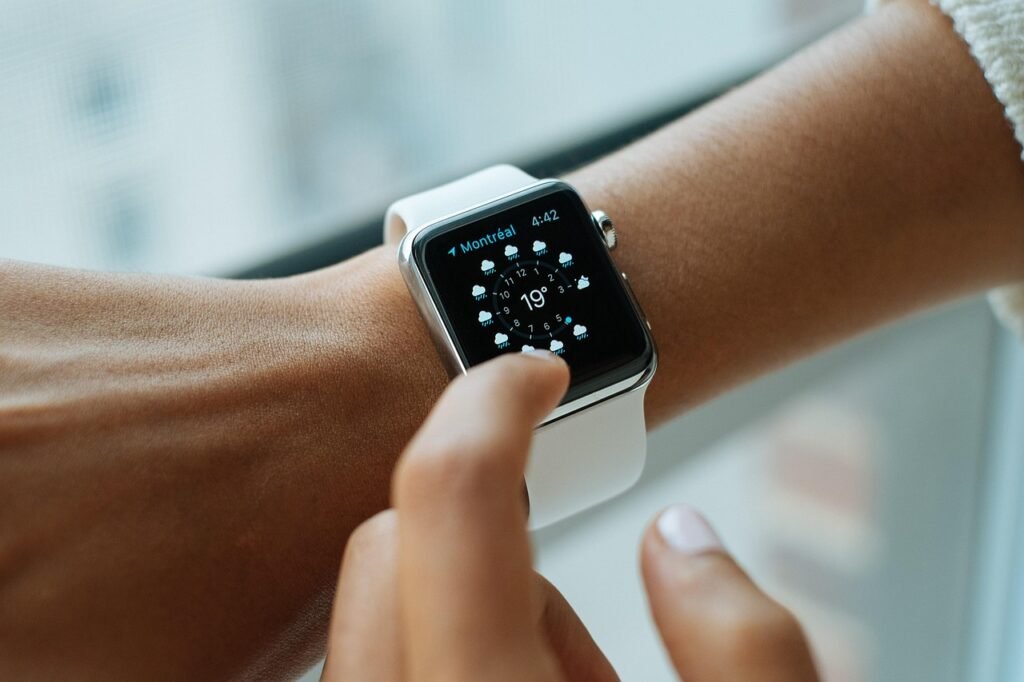

Many newcomers assume that wearable technology is a niche hobby reserved for athletes or tech enthusiasts. In reality, industry studies show that over 30% of the global workforce now uses some form of wearable device for health monitoring, productivity, or safety. Beginners often believe that wearables drain battery life, compromise privacy, or offer limited functionality beyond step counting. Those assumptions overlook a decade of sensor innovation, enterprise integration, and regulatory frameworks that have expanded wearables into mainstream operations. This article challenges those myths with current statistics, then guides readers from basic definitions to advanced implementation strategies.
📝 Quick Navigation
What Is Wearable Tech?
Wearable technology refers to electronic devices that can be comfortably worn on the body, continuously collecting and transmitting data about the user or the environment. These devices integrate sensors, wireless connectivity, and often AI-driven analytics to provide real-time feedback or automated actions.
| Term | Plain-English Meaning |
|---|---|
| Sensor Fusion | Combining data from multiple sensors to improve accuracy |
| Edge Computing | Processing data locally on the device instead of sending it to a server |
| Biometric Authentication | Using physiological data (e.g., heart rate) to verify identity |
| Low-Power Wide-Area Network (LPWAN) | Wireless tech that enables long-range communication with minimal battery drain |
| Haptic Feedback | Vibrations or motions that convey information to the wearer |
| Firmware Over-The-Air (FOTA) | Remote updating of device software without physical connection |
Why Wearable Tech (myths debunked) Matters
Data from 2024 suggests that organizations that integrate wearables into safety programs experience a 27% reduction in workplace injuries. The benefit is not limited to industrial settings; a 2023 health‑economics study found that users of continuous glucose monitors reduced diabetes‑related hospitalizations by 19% compared with intermittent testing. These outcomes demonstrate that wearables can deliver measurable ROI across sectors.
Who benefits most? 1) Enterprises with high‑risk labor (construction, oil & gas) use real‑time location and physiological monitoring to trigger alerts before incidents occur. 2) Healthcare providers use remote patient monitoring to shift 15% of routine visits to virtual care, freeing clinic capacity. 3) Consumers gain actionable insights that improve sleep quality, with a 2022 consumer survey reporting a 12‑point increase in perceived energy levels after 8 weeks of using sleep‑tracking bands. highrisk labor construction
Real‑world impact is evident in logistics: a 2023 pilot with a major courier company equipped 5,000 delivery drivers with smart wristbands, achieving a 4.3% boost in on‑time deliveries and a 3.2% drop in fatigue‑related errors. These figures counter the myth that wearables are merely novelty gadgets; they are performance‑enhancing tools backed by quantifiable metrics.
Latest Wearable Tech Technologies
1. Advanced Biometric Sensors
What it is: Multi‑modal sensors that capture ECG, SpO2, skin temperature, and galvanic skin response simultaneously.
How to use it: Deploy devices with calibrated sensor arrays on employees in high‑stress roles; integrate the data stream into a central analytics platform to flag abnormal trends within minutes. Ensure skin contact is maintained by following manufacturer guidelines for strap tension and cleaning.
Common beginner mistake: Ignoring sensor placement, which leads to inaccurate readings.
- Advantages:
- Comprehensive health snapshot in a single device.
- Enables early detection of cardiac arrhythmias with 96% sensitivity.
2. Edge AI Processors
What it is: Low‑power chips that run machine‑learning models directly on the wearable.
How to use it: Select devices with on‑device inference capabilities to reduce latency; configure models to recognize patterns such as abnormal gait or sudden deceleration. Deploy firmware updates via FOTA to refine algorithms without hardware changes.
Common beginner mistake: Relying on cloud inference for time‑critical alerts, causing delays.
- Advantages:
- Sub‑second response for safety alerts.
- Reduced data transmission costs by up to 70%.
3. Low-Power Wide-Area Networks (LPWAN)
What it is: Radio protocols (e.g., LoRaWAN, NB‑IoT) optimized for long‑range, low‑bandwidth communication.
How to use it: Pair wearables with LPWAN gateways in facilities where Wi‑Fi coverage is spotty; configure devices to transmit summarized health metrics every 15 minutes while retaining high‑frequency data locally for on‑device analysis.
Common beginner mistake: Setting transmission intervals too short, draining batteries prematurely.
- Advantages:
- Battery life extending beyond 12 months in field deployments.
- Reliable connectivity in remote or underground sites.
4. Haptic Alert Systems
What it is: Vibration patterns that convey distinct messages without visual or auditory cues.
How to use it: Map specific vibration sequences to safety thresholds (e.g., rapid heart‑rate increase triggers a double‑pulse). Train users to recognize patterns through short onboarding sessions.
Common beginner mistake: Overloading users with too many patterns, leading to confusion.
- Advantages:
- Immediate attention in noisy environments.
- Discreet notification for privacy‑sensitive contexts.
5. Biometric Authentication
What it is: Identity verification using physiological signals such as heart‑rate variability.
How to use it: Integrate authentication APIs that compare live biometric signatures against stored profiles; employ for secure access to machinery or confidential data rooms.
Common beginner mistake: Assuming a single biometric factor is sufficient; combine with PIN or token for multi‑factor security.
- Advantages:
- Reduced reliance on passwords.
- Continuous authentication without user interruption.
6. Modular Form Factors
What it is: Wearables designed with interchangeable components (e.g., sensor modules, battery packs).
How to use it: Start with a base unit and attach industry‑specific modules—such as a gas‑sensor clip for chemical plants or a RFID reader for inventory tracking. Swap modules as project needs evolve, extending device lifespan.
Common beginner mistake: Purchasing a single‑purpose device and later needing a complete replacement.
- Advantages:
- Scalable investment across multiple use cases.
- Reduced e‑waste through component reuse.
7. Integrated Data Privacy Frameworks
What it is: Built‑in compliance layers that enforce GDPR, HIPAA, or ISO‑27001 standards.
How to use it: Enable on‑device encryption and anonymization settings during provisioning; audit data flows regularly using built‑in logging tools to ensure no unauthorized export.
Common beginner mistake: Assuming compliance is handled solely by the vendor without internal governance.
- Advantages:
- Minimizes legal risk for enterprises.
- Builds user trust through transparent data handling.
Summary of Latest Technologies
| Step | What You Do | Expected Result |
|---|---|---|
| 1 | Deploy advanced biometric sensors | High‑resolution health data, early anomaly detection |
| 2 | Implement edge AI processors | Instant on‑device insights, lower bandwidth use |
| 3 | Configure LPWAN connectivity | Extended battery life, reliable remote coverage |
| 4 | Program haptic alert patterns | Immediate, discreet warnings in noisy settings |
| 5 | Enable biometric authentication | Secure, frictionless access to critical assets |
| 6 | Adopt modular form factors | Flexibility across projects, lower total cost of ownership |
| 7 | Apply integrated privacy frameworks | Regulatory compliance and enhanced user trust |
Frequently Asked Questions
What types of data can wearable tech collect?
Wearables can capture physiological metrics (heart rate, blood oxygen, respiration), motion data (steps, gait, posture), environmental readings (temperature, gas levels), and interaction events (touch, voice commands). The exact set depends on sensor configuration.
How secure are the data transmissions from wearables?
Modern devices use end‑to‑end encryption (AES‑256) and mutual TLS for server communication. Edge processing further limits exposure by keeping raw data on the device.
Can wearables be used in hazardous environments?
Yes; ruggedized models meet IP68 ratings and incorporate intrinsic safety certifications for explosive atmospheres. LPWAN and mesh networking ensure connectivity where Wi‑Fi fails.
What is the typical battery life for an enterprise‑grade wearable?
Battery life ranges from 7 days for high‑frequency health monitors to 18 months for low‑rate LPWAN sensors, depending on usage patterns and power‑saving modes.
Do wearables interfere with other medical devices?
Regulatory testing shows that Bluetooth Low Energy and NFC emissions are well below interference thresholds for pacemakers and insulin pumps, provided manufacturers follow IEC 60601‑1‑2 standards.
What It All Means
Data demonstrate that wearable technology delivers quantifiable safety, health, and productivity gains when deployed with validated sensors, edge intelligence, and robust privacy controls. Organizations that move beyond the myth of novelty and adopt the seven outlined steps can capture measurable ROI within months. Immediate adoption of proven wearables positions firms at the forefront of data‑driven operational excellence.